
Findings of UCU Hallam’s On Campus Health & Safety Inspections
Following grave safety concerns around the reopening of the campus for face to face teaching, the UCU Hallam Branch Committee made a number of demands to the Sheffield Hallam University Leadership Team (ULT) that would help to keep colleagues and students safer during this national public health crisis. Unfortunately, the ULT have not met our demands and we have been forced to take further action.
Initially this was in the form of a “Failure to Agree Notice” voted for overwhelmingly by UCU Hallam branch members.
This failed to achieve any movement from the ULT on our demands and this against a backdrop of a rising number of Covid19 infections amongst the Sheffield Hallam University staff and student population, and an imminent move to a Tier 3 lockdown in South Yorkshire. UCU Hallam Health & Safety Officers and Reps carried out 7 Health & Safety inspections in buildings across both City and Collegiate campuses in the middle of October and we were shocked by what we witnessed. Our findings were reported to Sheffield Hallam University Health & Safety team and the ULT but they have still not been rectified.
This failure to act has led the Branch Committee to take the unprecedented step of reporting our employer to the Health & Safety Executive. We have submitted our reports and as of today (11th November, ’20) we are still waiting on an official response to our concerns.
Please see the full details of the reports submitted and our findings below.
Keep reporting concerns via x4444 or ! Estates & Operations. Please also let your local UCU Rep know you’ve done this.
This is what we sent to the Health & Safety Executive (HSE)
The university reopened campus in September using a high-level risk assessment (RA) agreed in August when there was low COVID-19 prevalence (National Control Level 3). UCU had serious concerns about campus safety. Teaching spaces present the greatest concern due to the high number of students and tutors involved for extended time periods. The original classroom plan spaced students at >1.2m and tutors at >2.4m.
The RA was revised to account for the new COVID-19 context, which is a much higher level of infections and rapidly increasing (National Control Level 4, Tier 3 status for Sheffield), along with mounting evidence that infection levels are much higher in the student population. However, the changes were minimal and insufficient to mitigate this increased risk.
Some control measures agreed in the original RA have been abandoned due to an inability to implement them, such as one-way corridor systems and student/staff spacing. UCU formally rejected the RA and asked for five changes to reduce risks to an acceptable level:
1) Limit face-to-face teaching to essential classes that cannot be run online in a meaningful way (essential labs, studios, field work) and these activities must involve full 2m distancing
2) Staff with a COVID age (ALAMA tool) of 70+ should not work on campus
3) Staff with a COVID age of 60-69 should have the choice of on-campus working
4) Staff sharing a household or caring for with those of a 70+ COVID age should have the choice of on-campus working
5) Assurance that staff will not face disciplinary action if they end or cancel sessions due to the lack of key safety measures.
None of these changes have been made.
UCU was also concerned that control measures specified in the RA are not being implemented successfully, even six weeks after the start of teaching. A series of inspections were carried out by UCU over the period 12-16 October, accompanied by the university Health and Safety Service, which identified systematic breaches of the RA.
Key problems were:
1) Failure to mark buffer zones for tutors in classrooms, which causes a breakdown of >2m spacing from students
2) Poor adherence to mask-wearing and social distancing by students in campus buildings
3) Poor ventilation in some classrooms
4) Lack of social distancing resulting from narrow corridors and staircases
5) Patchy provision of sanitiser
6) Insufficient safety patrols.
UCU considers the lack of addressing the problems could lead to substantial increases in infection levels in staff, students, and the wider city. The RA needs significant revision and control measures must be implemented rigorously. SHU is unwilling to take onboard the issues we raise here.
INSPECTIONS
In mid October, UCU carried out 7 H&S inspections. We were taken aback by the number of breaches at a point which, for some, was 6 weeks into teaching. SHU’s Health and safety Service (HSS) seemed merely to treat the inspections as ‘snagging,’ something which they should have done before return to campus, followed by regular monitoring to ensure compliance
We are still (November 11th, 20) waiting for an official response to the reports.
Sites inspected
|
Aspect Court Cantor Charles Street Collegiate Hall Heart of the Campus Herbert Wing |
Learning Centre (City) Learning centre (Collegiate) Main Building Norfolk Oaklands Owen |
Robert Winston Building & Annexe Saunders Sheaf Stoddart Surrey |
The issues flagged up here are not subjective; they are breaches of SHU’s high level RA. Many breaches could be prevented by regular ‘patrolling’ and monitoring of common and teaching spaces.
COMMON BREACHES
- No zone marked around lecterns to indicate 2.4m distance between staff and students
- Most rooms had a desk indicated as for use which was:
- too close to the lectern
- next to the entry
- at the aisle end of rows
- Inconsistent signage on teaching room doors/within teaching rooms re reminding students and staff to sanitise hands/wipe down
- Groups of students:
- sitting at tables clearly indicated as for one person only, but with multiple seats.
- not wearing masks
- not observing social distancing.
- Toilets; all cubicles in use in multiple occupancy toilets
- No ‘in use/free’ signage
- Inconsistency re:
- displaying of room capacity signage (we have examples of staff arriving at rooms to find more students than available spaces
- levels of ventilation
- availability of hand sanitiser
- availability of wipes
- desk spacing
- Lecture theatre/rooms have no markings/safe spaces for wheelchair
- Spacing set ups are problematic for users with a mobility issue/visual impairment
- Desks in classrooms which can’t be used were not marked with a red cross; student study spaces/social spaces do carry this marking.
- Stickers for safe teaching spaces on tables too close to the lecturer and door
- End of row desks marked as usable, with too narrow an aisle between
- Sanitizer stations next to in use table
- Bottle necks created by entry door, lectern, bins and cleaning station
- Directional signage peeling off from carpets/walls
SPECIFIC BREACHES
*Saunders/Main Building/Herbert Wing and Oaklands were all accessible and being used, despite being listed by SHU as decommissioned. Those spaces have not been readied for use i.e. they have no directional/spacing signage, updated capacity signage, sanitiser stations and other mitigations which would apply to a reopened building.
*Herbert Wing 1
- HSS member accompanying could only speculate about the use of this (and several other) rooms/buildings i.e. they seemed unaware that the rooms/buildings were unlocked and being used
*Main building
- IT room with PCs powered up; bins used.
*Oaklands
- Student Union office unlocked
Heart of the Campus
- Ground floor IT room; student spacing less than 1m on some stations
- Numerous boxes dumped by cleaning station
- Computer stations not consistently marked in terms of which are useable/not
- HSS says all buildings have a staffed reception. This was unstaffed; Collegiate Hall does not have a reception
- Top floor classroom being used as an office. Cleaning station cluttered with paperwork, sanitizer open and evaporating, wipe tub open with wipes drying out
Pearson sports hall
- Equipment store unlocked
- One sign on the wall mentioned cleaning equipment with cloths; no cleaning materials in the room
Collegiate Hall
- Touch pad game still operational; no cleaning materials in the area
Cantor
- No temperature scanning facility at reception
Owen
- Temperatures check; no guidance/recording
Main Building
- Concrete canopy anchor blocking disabled parking space and impeding disabled access to the building
Owen
- Poor adherence to keep left signage on stairwell
- Lift access limited to one person, but only one small sign directed this. Student adherence not being monitored
Sheaf
- Tight corridor, close to stairwell exit/junctions. Red and white tape markings at approx. 1m apart so distancing extremely difficult whilst moving or queuing
- Air conditioning/ventilation. Is air recycled from other sections or drawn from and exhausted to the outside?
Robert Winston Building
- A number of IT labs had signs saying they were closed apart from for scheduled teaching but were unlocked so accessible to students
Charles Street
- Accessible building entries (doors with push pads) marked ‘no entry’ for entry and exit. Users of these doors had no means of accessing or exiting according to current signage.
- Lift access limited to one person, but only one small sign directed this. Staff report students are either not aware of the sign or were not following the guidance
Moving between buildings (difficulties exacerbated by Atrium construction work)
Sheaf/Owen:
- planned one-way system abandoned at the request of Estates, not HSS
Surrey/Norfolk:
- confusing, with floor sign mosaics and apparent multiple routes between buildings, including access to Norfolk via the 6th floor restaurant, potentially the largest single gathering space on campus
Owen/Adsetts
- Narrow corridor during construction work
- Unmarked bucket under a leak reduces ability to distance
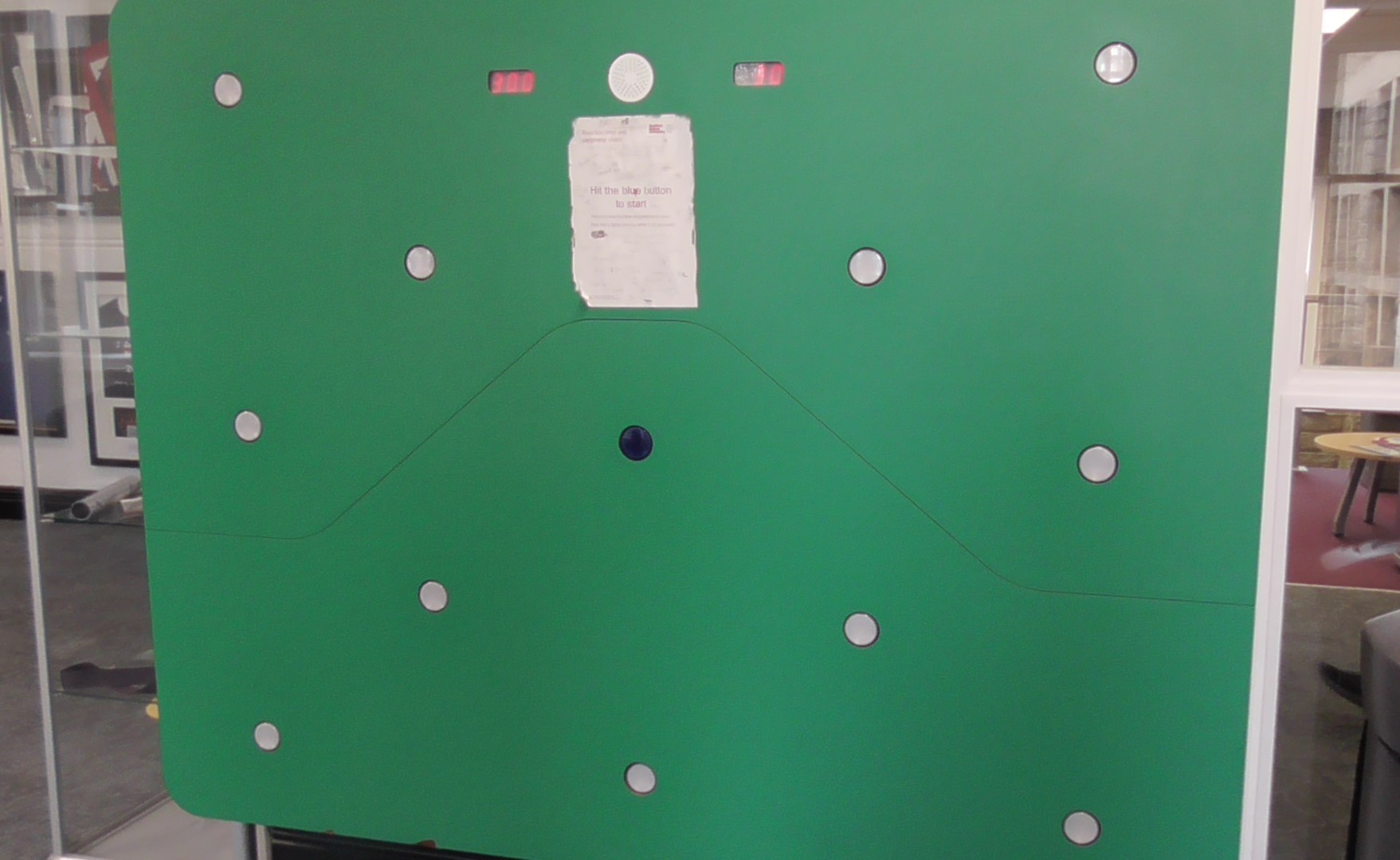
Feel free to play in Collegiate Hall; touch the pads when they light up. No sanitiser station nearby.
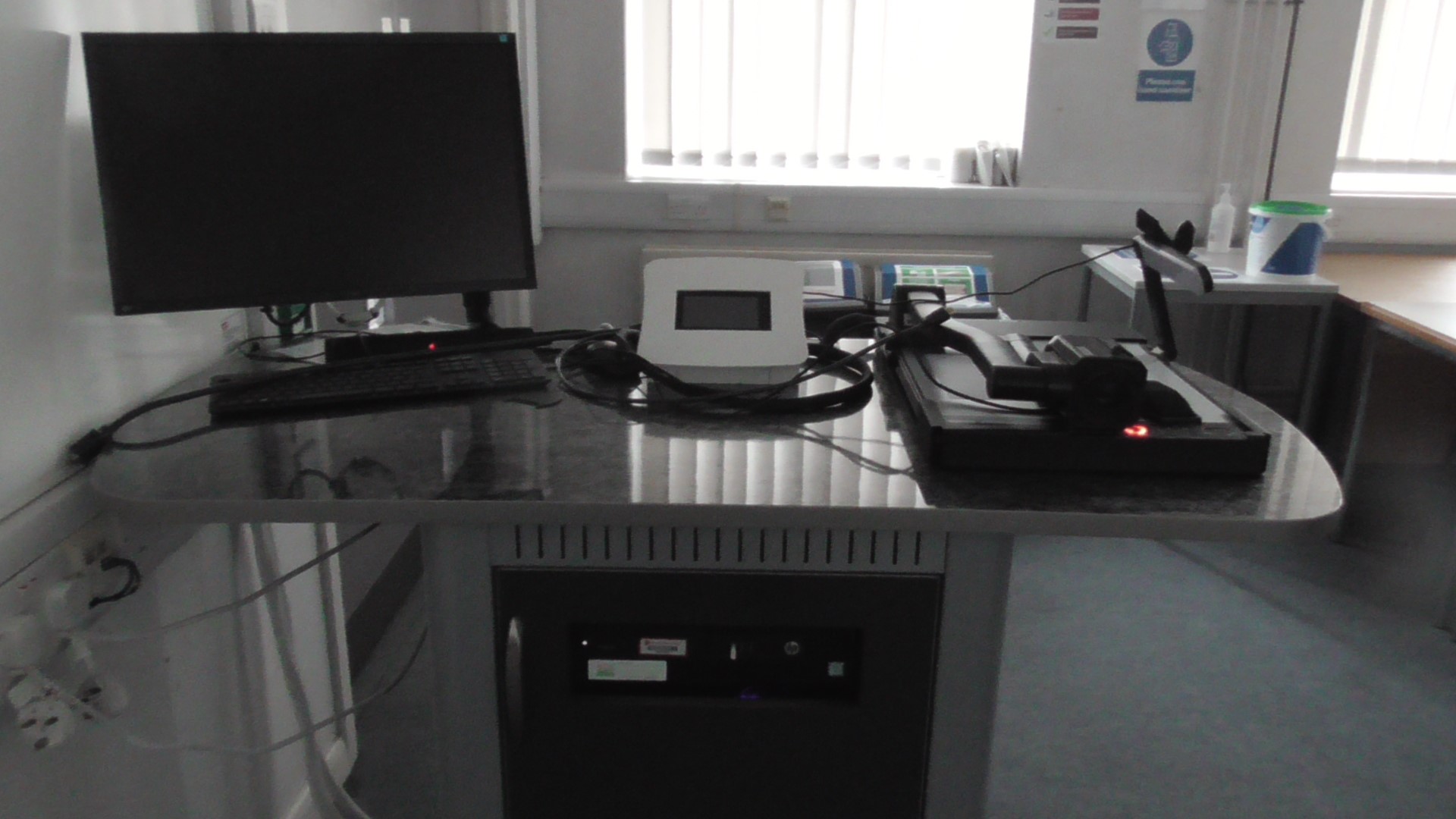
Door + bins+ cleaning station + lectern = bottleneck and contact

You can sit at the desk next to the station everyone in the room has to use on their way in and out

Will people adhere when signage and furniture lay outs are so counter intuitive?


Where are those cleaning materials? None in the sports hall in Pearson

Better monitoring required
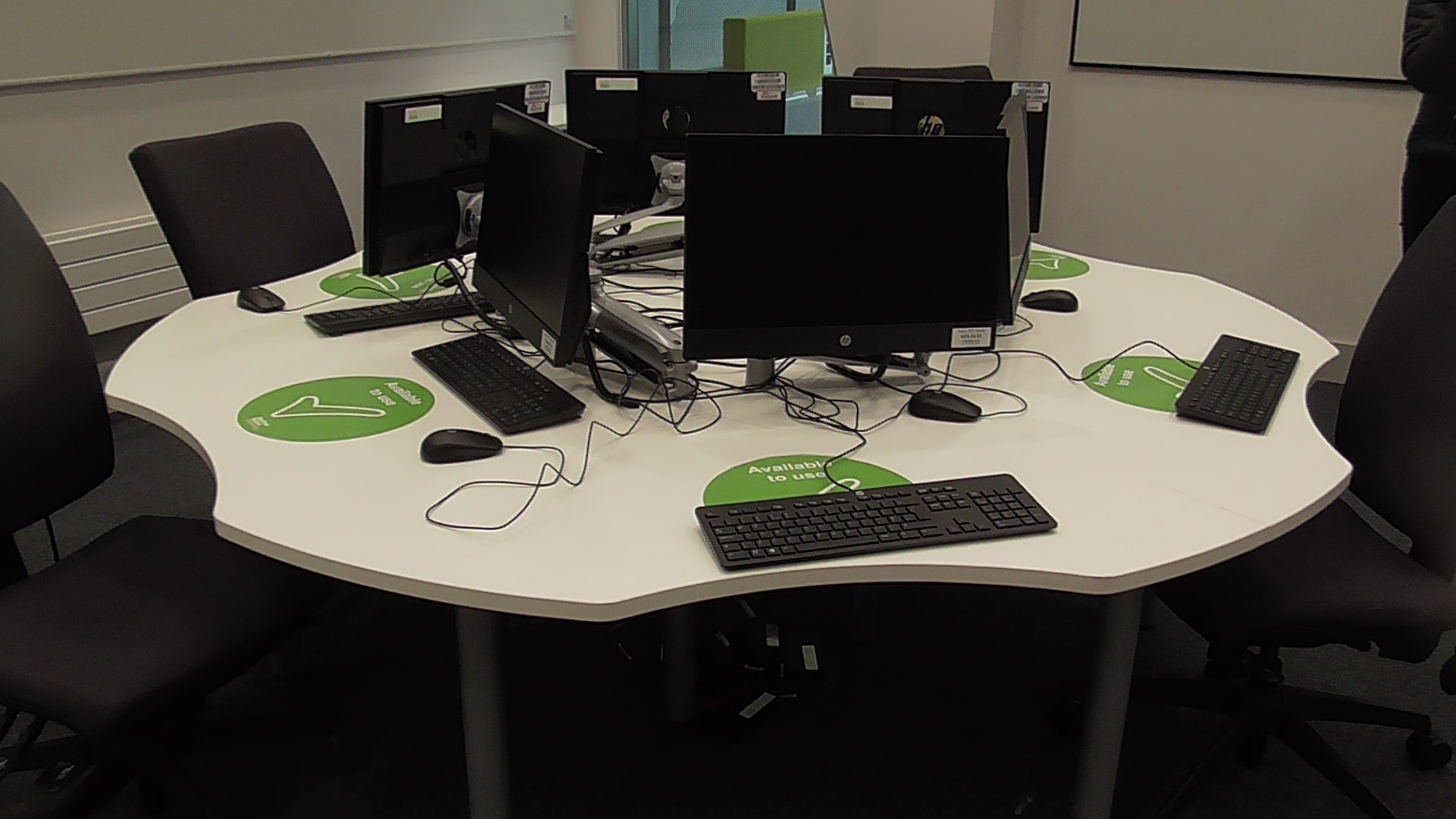
Snug IT set up in HotC

Same room. Squeeze in between the printer and the dumped boxes to use cleaning materials.

Use or not use?

Sit down or don’t?
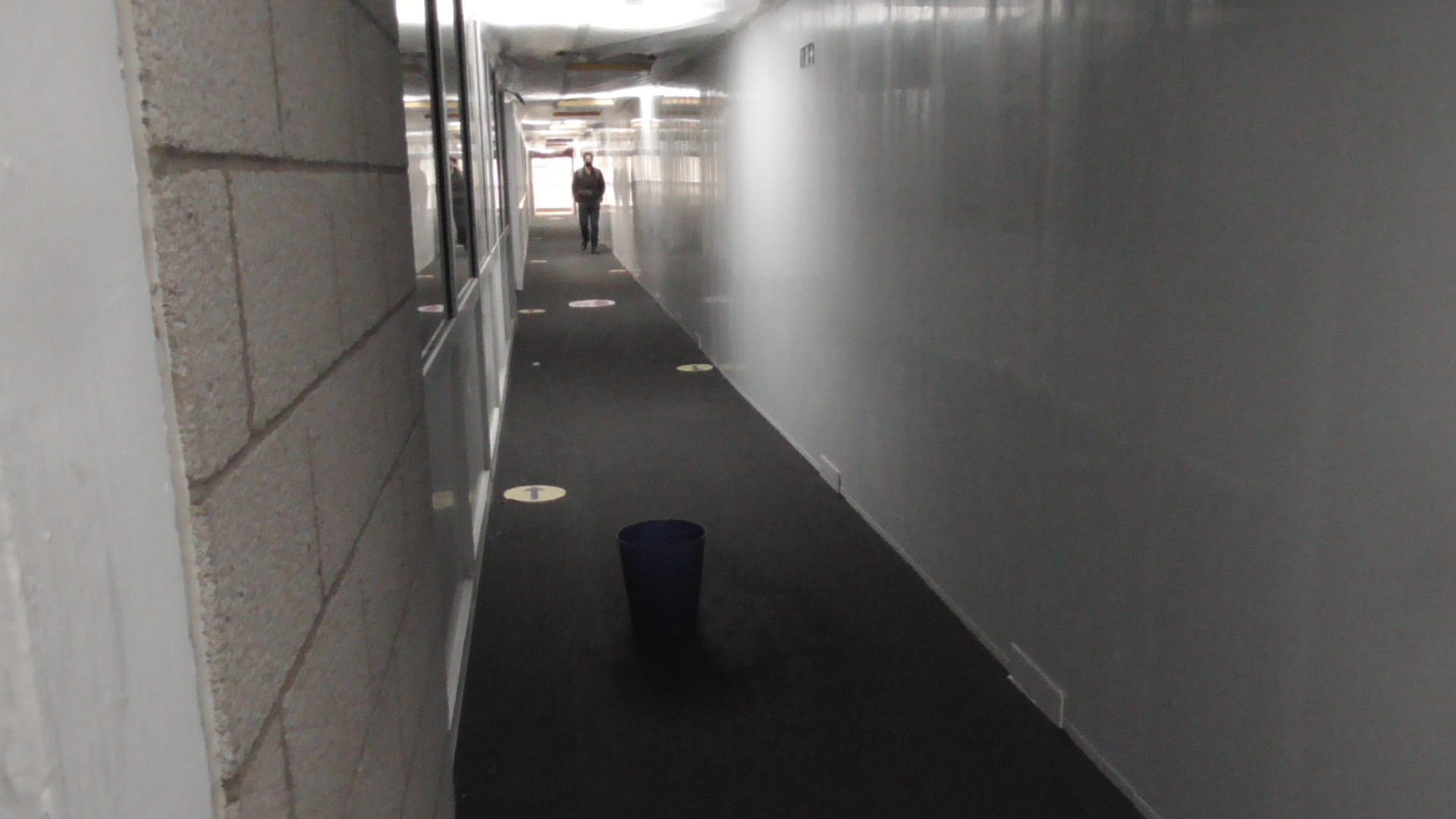
Narrow, poorly lit and a bucket under a leak: Atrium works
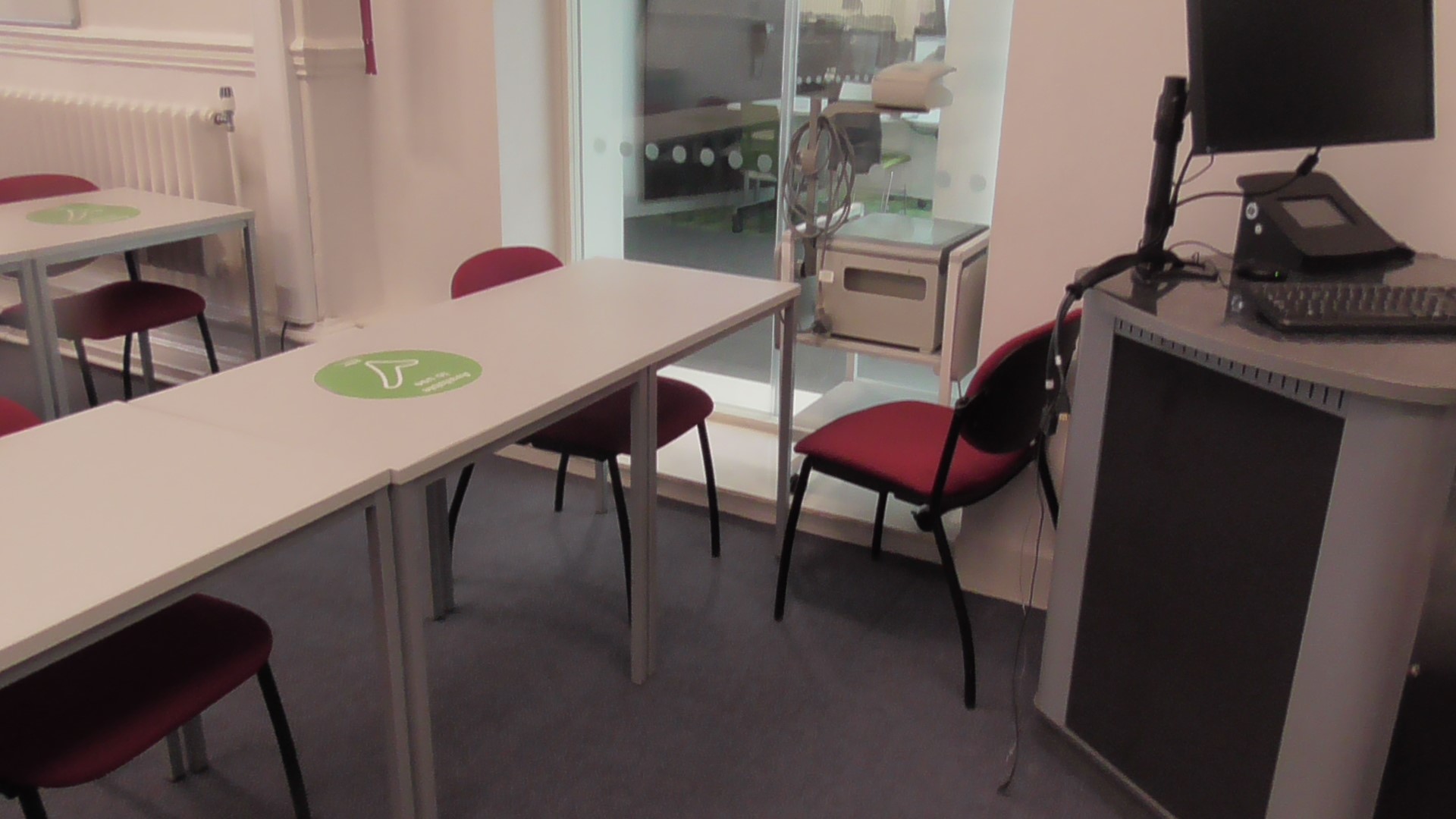
The usual no 2.4m zone marked with student located too close to the lectern

Drying wipes, evaporating sanitiser, papers left on the table, signage obscured. How often are teaching spaces monitored?

How many people allowed in this lab?

Signage moved/ needing replaced/2m guesstimated. How often are these things monitored?

DATA REQUESTS
SHU must provide data to trades union H&S representatives to allow them to carry out their roles. We are still awaiting a response to our request for prevalence and outbreak data. Prevalence data is much more detailed than the once a week number of cases update which is publicly available. Prevalence data is held by SHU and has been made available to Heads of Department, to aid their decision making about bringing more staff and students onto campus.


